For many people, 4D betting is simply a form of entertainment.
They buy a ticket, check the 4D result when it is published, and move on with their day.
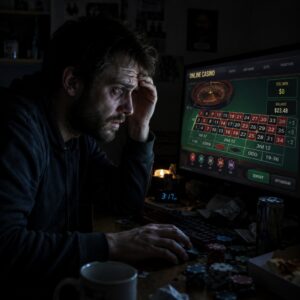
However, for some players, what starts as a casual hobby can gradually become something more problematic.
The challenge is that unhealthy betting habits often develop slowly.
Many people do not realise there is a problem until they begin experiencing:
- Financial stress
- Emotional frustration
- Relationship conflicts
- Loss of self-control
For players using platforms such as 赢宝, understanding the early warning signs can help prevent small issues from becoming bigger problems.
What Is Considered Healthy 4D Betting?
Before discussing unhealthy habits, it helps to understand what healthy participation looks like.
Generally, healthy 4D betting means:
- Spending only what you can afford to lose
- Treating betting as entertainment
- Accepting losses as part of the experience
- Maintaining control over spending
- Not allowing betting to interfere with daily life
A healthy player may enjoy following results without feeling emotionally dependent on the outcome.
When Does A Habit Become Unhealthy?
A betting habit becomes unhealthy when it begins affecting:
- Finances
- Relationships
- Mental wellbeing
- Work performance
- Daily responsibilities
The issue is not necessarily how often someone plays.
The issue is whether betting behaviour is becoming difficult to control.
Sign #1: Chasing Losses
Loss chasing is one of the most common warning signs.
This occurs when a player believes they must recover previous losses by placing additional bets.
Typical thoughts include:
“I just need one winning number.”
或者
“The next draw will make everything back.”
The problem is that loss chasing often leads to:
- Larger spending
- Poor decisions
- Greater frustration
Each draw remains independent, regardless of previous outcomes.
Sign #2: Increasing Spending Over Time
Another warning sign is gradually increasing betting budgets.
例如:
- Buying more tickets than usual
- Increasing stake amounts
- Entering every available draw
- Spending beyond the original budget
Many people do not notice this change because it happens gradually.
What begins as a small increase can eventually become a significant financial commitment.
Sign #3: Constantly Checking Results
Most players check the 4D result after a draw.
That is normal.
However, it may become concerning if someone:
- Checks results obsessively
- Refreshes websites repeatedly
- Thinks about results throughout the day
- Experiences anxiety before every draw
When betting starts dominating daily thoughts, it may indicate an unhealthy attachment.
Sign #4: Believing A Win Is “Due”
This is known as the Gambler’s Fallacy.
例如:
- “My number has not appeared in months.”
- “I am overdue for a win.”
- “It has to happen eventually.”
While these beliefs are common, they can encourage excessive betting.
Random draws do not remember previous outcomes.
Past losses do not increase future winning chances.
Sign #5: Borrowing Money To Bet
This is one of the clearest warning signs.
例如:
- Borrowing from friends
- Using credit cards unnecessarily
- Taking loans to continue betting
- Delaying bills to buy tickets
Betting should never rely on money needed for:
- Rent
- Food
- Utilities
- Education
- Family expenses
Financial pressure often increases the emotional impact of losses.
Sign #6: Hiding Betting Activity
Many people become secretive when they feel uncomfortable about their behaviour.
例如:
- Hiding spending from family
- Deleting transaction records
- Lying about ticket purchases
- Minimising actual betting activity
Secrecy often suggests the person already recognises that something is wrong.
Sign #7: Mood Changes Linked To Results
A healthy player can accept both wins and losses.
An unhealthy pattern may appear when emotions become heavily tied to outcomes.
例如:
- Anger after losses
- Anxiety before draws
- Depression following poor results
- Extreme excitement after wins
When emotions become dependent on betting outcomes, stress levels often increase.
Sign #8: Ignoring Spending Limits
Most responsible players establish some form of budget.
Warning signs include:
- Constantly exceeding limits
- Making unplanned purchases
- Adding extra entries impulsively
- Ignoring previous spending targets
Without limits, betting expenses can become difficult to manage.
Sign #9: Betting Becomes The Main Source Of Excitement
Many hobbies provide enjoyment.
Problems can arise when betting becomes the primary source of excitement in life.
Questions worth asking include:
- Have other hobbies disappeared?
- Is betting the highlight of every week?
- Do draws feel more important than social activities?
- Are you constantly waiting for the next draw?
A healthy lifestyle usually includes multiple interests and activities.
Sign #10: Spending More Time On Betting Than Intended
Time can be just as important as money.
例如:
- Constantly researching numbers
- Watching every draw
- Following betting discussions for hours
- Obsessing over historical results
While interest is normal, excessive time investment can affect work, family, and personal wellbeing.
Healthy Habits vs Unhealthy Habits
| Healthy Habits | Unhealthy Habits |
| Betting within budget | Constant overspending |
| Accepting losses | Chasing losses |
| Treating betting as entertainment | Treating betting as income |
| Checking results occasionally | Obsessively monitoring results |
| Being transparent about spending | Hiding betting activity |
| Maintaining other hobbies | Focusing primarily on betting |
This comparison can help players evaluate their own behaviour objectively.
Why These Habits Develop Gradually
Most people do not suddenly develop unhealthy betting behaviour.
Instead, it often happens through small steps.
例如:
- Slightly increasing spending
- Playing more frequently
- Thinking about results more often
- Becoming emotionally invested
Because these changes happen slowly, they can be difficult to recognise.
The Role Of Near Misses
Near misses can also influence behaviour.
例如:
- Matching three digits
- Missing a prize by one number
- Seeing similar combinations appear
Near misses can create the feeling that success is close.
This sometimes encourages players to spend more than planned.
In reality, near misses do not increase future winning probability.
The Impact On Finances
Unhealthy 4D betting habits often affect financial wellbeing.
Potential consequences include:
- Reduced savings
- Missed payments
- Increased debt
- Financial stress
- Family conflict
These problems can develop even when individual ticket purchases seem relatively small.
The cumulative effect is often overlooked.
The Impact On Mental Wellbeing
Financial losses are not the only concern.
Unhealthy betting habits may also contribute to:
- Stress
- Anxiety
- Frustration
- Sleep disruption
- Difficulty concentrating
The emotional burden sometimes becomes larger than the financial impact itself.
How To Regain Control
If any of these warning signs feel familiar, several practical steps can help.
Set A Fixed Budget
Decide in advance how much you are willing to spend.
Take Regular Breaks
Skipping some draws can help restore perspective.
Track Spending
Recording purchases often reveals patterns that are easy to miss.
Focus On Entertainment
Treat betting as a leisure activity rather than an investment strategy.
Talk To Someone
Friends and family may notice unhealthy patterns before you do.
What This Means For Winbox88 Players
For users enjoying Winbox88 games or checking results after a 赢宝88登录, responsible participation is just as important as choosing numbers.
Whether following a 4D result every week or participating in occasional draws, maintaining healthy habits helps ensure that betting remains enjoyable rather than stressful.
The goal should be entertainment and enjoyment, not financial pressure or emotional dependence.
Responsible Gambling Reminder
Healthy betting habits include:
- Setting limits
- Staying within budget
- Accepting losses
- Avoiding emotional decisions
- Maintaining balance with other activities
These principles apply regardless of experience level.
结论
Most people who participate in 4D betting do so responsibly and within their means.
However, unhealthy habits can develop gradually, making them difficult to recognise at first.
Warning signs such as chasing losses, increasing spending, hiding activity, and becoming emotionally dependent on results should never be ignored.
For players using Winbox88 or following weekly 4D result updates, the healthiest approach is one that prioritises entertainment, financial responsibility, and self-control.
Recognising the warning signs early can help ensure that 4D betting remains enjoyable and manageable over the long term.
常见问题解答
What Is The Most Common Unhealthy 4D Betting Habit?
Chasing losses is one of the most common warning signs and can lead to increased spending and poor decision-making.
Is It Normal To Check Every 4D Result?
Yes. Checking results is normal. Problems may arise if it becomes obsessive or causes significant anxiety.
Does Spending More Increase Winning Chances?
Buying more entries increases participation, but it does not guarantee a win.
Why Is Borrowing Money To Bet Dangerous?
Borrowing money increases financial pressure and can create additional stress if losses occur.
How Can I Tell If My Betting Is Becoming Unhealthy?
Warning signs include loss chasing, overspending, secrecy, emotional dependence, and neglecting other responsibilities.
What Should I Do If I Notice These Signs?
Set limits, track spending, take breaks, and seek support from trusted friends, family members, or professional resources if needed.